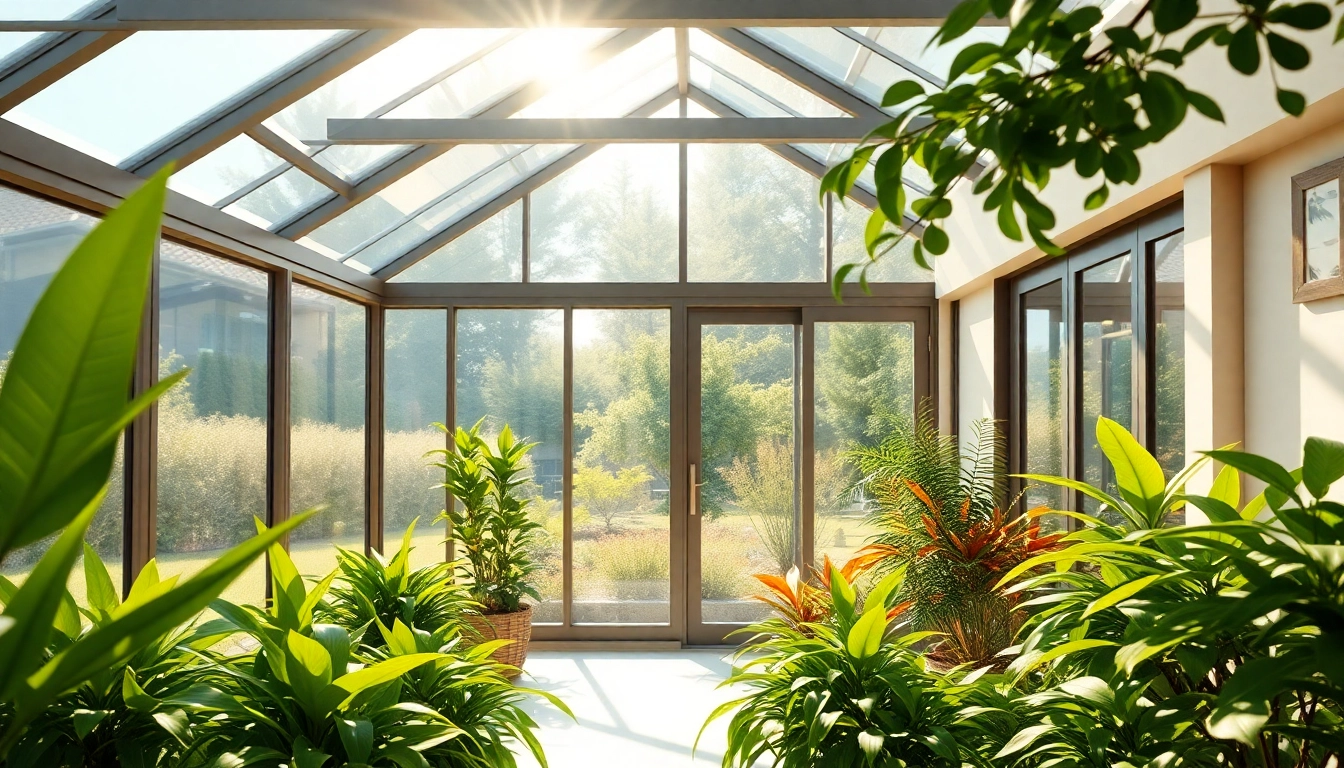
Understanding the Solarium Room Concept
What is a Solarium Room?
A solarium room, often regarded as a luxurious extension to a home, is a space enveloped entirely in glass—its walls and roof constructed to maximize the intake of natural sunlight. This structure serves as a retreat for those seeking to embrace nature while enjoying the comforts of indoor living. Whether you’re looking to cultivate a vibrant plant collection, create a serene reading nook, or simply bask in the sun’s warm embrace, solarium room designs can cater to a plethora of personal preferences and lifestyle needs.
Benefits of Having a Solarium Room
Solarium rooms offer a unique blend of indoor and outdoor living. One of their primary advantages is the abundance of natural light, which can significantly enhance mood and well-being. Research indicates that exposure to sunlight can help combat Seasonal Affective Disorder (SAD) and boost productivity.
Moreover, these rooms can be ingeniously designed to serve multiple purposes, whether as a greenhouse, lounge, or workspace. They can enhance property value, making your home more appealing within the real estate market. Additionally, with advancements in climate control technology, solarium rooms can be used year-round, providing an oasis regardless of the season.
Differences Between Solarium Room and Sunroom
While the terms “solarium” and “sunroom” are often used interchangeably, they embody distinct characteristics. A sunroom typically has a mix of walls and windows, often designed more as transitional spaces between the outdoors and indoors, with a strong focus on ventilation. In contrast, a solarium room is entirely constructed of glass, optimizing sunlight exposure while providing an immersive experience of the surroundings.
Key differences also lie in climate control; solarium rooms can be equipped with heating and cooling systems to maintain a comfortable environment year-round, making them more versatile for various uses compared to sunrooms.
Design Styles for Your Solarium Room
Modern Solarium Room Designs
Modern solarium room designs often embrace minimalism and functionality, maximizing the transparency of glass to create an unobstructed view of the outdoors. Incorporating sleek lines, understated furniture, and a neutral color palette promotes a spacious feel. Accent features like suspended lighting or green installations can add vibrancy without overwhelming simplicity.
Additionally, many modern designs integrate eco-friendly materials and structural technologies, such as triple-glazed glass for enhanced insulation and energy efficiency, ensuring that your solarium room is not just visually appealing but also sustainable.
Traditional vs. Contemporary Solarium Room Aesthetics
Traditional solariums tend to draw inspiration from classic architectural styles, often characterized by ornate trim, wooden elements, and an abundance of floral designs or vintage decor. These spaces evoke a sense of nostalgia, creating cozy reading corners or intimate gathering places.
Conversely, contemporary designs favor clean, geometric shapes and often use materials like steel and glass to create a more industrial look. Contemporary aesthetics also frequently incorporate technology, including smart home systems that control lighting, blinds, and temperature within the solarium room.
Minimalist Approaches to Solarium Room Decor
The minimalist approach focuses on functionality, simplicity, and the idea of “less is more.” With a vibrant backdrop provided by the outdoors through the glass walls, minimalistic decor can accentuate the beauty of nature. Use a few carefully selected pieces of furniture—think Scandinavian designs with light woods and neutral fabrics—to maintain an airy atmosphere.
Accessories should be kept to a minimum, allowing natural light to play the leading role. Incorporating potted plants can breathe life into the space while remaining unobtrusive and aligned with the overall minimalist philosophy.
Key Features to Include in a Solarium Room
Choosing the Right Glass for Your Solarium Room
The choice of glass is critical in the construction of a solarium room. It’s essential to select glass that offers superior insulation while maximizing light transmission. Low-E (low emissivity) glass is an excellent option as it reflects heat while allowing sunlight to enter, making the interior comfortable regardless of the season.
For solar protection, consider incorporating tinted glass which can help minimize glare and protect furniture from sun damage without sacrificing brightness. Additionally, double or triple-glazing can provide enhanced thermal properties, making your solarium energy efficient.
Effective Ventilation Solutions in a Solarium Room
Proper ventilation is vital to avoid overheating and to maintain air quality in your solarium room. Incorporating operable windows or roof vents allows you to control airflow, essential during hot summer months. Ceiling fans can also be strategically placed to circulate air effectively.
Advanced HVAC systems can be installed to ensure year-round comfort, particularly in climates that experience extreme temperatures. Exploring options like ceiling exhaust fans may further enhance ventilation, helping manage humidity levels and improving overall air quality.
Incorporating Smart Technology into Solarium Room Design
In today’s digital age, integrating smart technology into your solarium room is more accessible than ever. Smart thermostats can optimize heating and cooling, while automated blinds or shades can regulate sunlight exposure and reduce glare at the touch of a button.
Consider installing sensors that adjust lighting based on natural light levels, maintaining the perfect ambiance throughout the day. These touches enhance the user experience, making the solarium room not just a physical space, but a tech-savvy haven.
Cost Considerations and Budgeting for Your Solarium Room
Overall Costs of Building a Solarium Room
Building a solarium room varies widely based on size, materials, and design complexity. On average, solariums can range from $30,000 to $75,000, depending on the features and finishes selected. Costs can be influenced by the type of glass used, structural supports, and installation requirements.
When budgeting, it’s crucial to account for permits, labor costs, and any additional features like plumbing or electrical work. Establishing a detailed plan and seeking multiple quotes from contractors can help manage expenses effectively.
Cost-Saving Tips for Your Solarium Room Project
There are several strategies to reduce costs while still achieving an outstanding solarium room. Opting for standard-sized glass panels instead of custom designs can significantly reduce expenses. Consider using DIY installation for certain aspects, such as interior decoration or landscaping to cut labor costs.
Additionally, purchasing materials in bulk or selecting seasonal sales can yield significant savings. Always remember to set aside a contingency fund to manage unexpected expenses without derailing your budget.
Financing Options for a Solarium Room Addition
Explore various financing options like home equity loans or personal loans if upfront costs are prohibitive. Some homeowners may consider refinancing their mortgage to fund the construction of their solarium. Look for local or government grants available for energy-efficient home improvements, which can offset some expenses.
Consulting with financial advisers or lenders can provide insights into the best financing options suitable for your circumstance, ensuring your dream solarium room becomes a reality without financial strain.
Maintaining Your Solarium Room
Seasonal Care for Your Solarium Room
Seasonal maintenance is essential for preserving the beauty and functionality of your solarium room. In spring and summer, ensure the windows and vents are cleaned regularly to remove pollen and dust. Adjust blinds or shades to moderate sunlight and temperature, particularly during peak heat.
In the fall, check for any potential leaks or issues that might arise with changing weather patterns. In winter, invest in covering plants and ensuring heating systems are functioning effectively to create a cozy space despite the cold outside.
Cleaning and Upkeep Tips for Glass in a Solarium Room
Keeping glass panels clean is crucial to maximizing light and maintaining the aesthetic appeal of your solarium room. Use a gentle glass cleaner and soft cloth to avoid streaks, regularly scheduling cleanings to prevent grime buildup.
Utilize microfiber cloths or squeegees for challenges like hard water stains, and avoid abrasive cleaners which can scratch the surface. Seasonal inspections for wear on seals and caulking can prevent water leakage and further damage.
Year-Round Climate Control in Your Solarium Room
Effective climate control is vital for a functional solarium room. Invest in a high-quality HVAC system that can adapt to the seasonal temperature variations. Programmable thermostats can optimize energy usage by adjusting settings based on your schedule.
In summer, features like evaporative coolers or portable fans can provide comfort, while in winter, heated floor systems or space heaters can ensure a welcoming environment year-round.
Frequently Asked Questions about Solarium Rooms
1. How much does a solarium room cost?
The cost of a solarium room varies widely, typically ranging between $30,000 to $75,000 depending on its size, materials, and features.
2. What’s the difference between a solarium and a sunroom?
A solarium is fully enclosed with glass, while a sunroom has a mix of windows and walls, focusing on outdoor connectivity.
3. Can solarium rooms be used in winter?
Yes, solarium rooms can be designed for year-round use with proper insulation and heating systems, making them cozy in winter.
4. What are the best plants for a solarium room?
Consider sun-loving plants like succulents, tropical varieties, and ferns that thrive in bright light and can tolerate temperature changes.
5. Are solarium rooms energy efficient?
With the right glass and HVAC systems, solarium rooms can be energy efficient, maximizing natural light while minimizing energy costs.