Understanding IT Recycling Newbury
What is IT Recycling?
IT recycling refers to the process of recovering and repurposing old or unwanted electronic and IT equipment in a way that is environmentally friendly and compliant with relevant regulations. This process involves several steps to ensure that materials such as metals, plastics, and glass are recycled or disposed of correctly. In Newbury, IT recycling is particularly pertinent given the rapid advancement of technology and the resultant increase in e-waste. Individuals and organizations can contribute to a sustainable environment by engaging in responsible recycling practices.
Key Benefits of IT Recycling Newbury
The benefits of participating in it recycling newbury extend beyond merely decluttering. Key benefits include:
- Environmental Protection: Reduces e-waste in landfills, helping to minimize toxic emissions and conserve resources.
- Data Security: Ensures secure data destruction, protecting sensitive information from falling into the wrong hands.
- Resource Recovery: Facilitates the recovery of valuable materials that can be repurposed in new products, supporting the circular economy.
- Compliance: Adheres to local and national regulations concerning e-waste management, avoiding potential fines.
- Cost Savings: Reduces disposal costs and can even generate revenue through the sale of recyclable materials.
Importance of E-Waste Management
E-waste management is crucial as it addresses the growing volume of electronics reaching the end of their lifecycle. In Newbury, effective management is vital due to increasing electronic consumption and turnover. Improper disposal can lead to environmental contamination and health risks. By understanding the importance of this issue, communities can support initiatives that promote recycling and proper waste management, thus protecting resources and public health.
How IT Recycling Works
Step-by-Step Process of IT Recycling Newbury
The process of IT recycling in Newbury typically involves the following steps:
- Collection: Electronic devices are collected from businesses and households. This can range from scheduled pickups to drop-off centers.
- Assessment: The collected items are assessed to determine their condition and whether they can be refurbished or recycled.
- Data Wiping: Prior to disposal, data is securely wiped from devices to protect sensitive information.
- Dismantling: Non-functional devices are dismantled to separate recyclable materials from hazardous components.
- Recycling: Recyclable materials are processed and sent to manufacturers for re-use. Hazardous waste is disposed of following environmental regulations.
Methods and Techniques Used
Various methods and techniques are employed during the IT recycling process to ensure efficiency and compliance. These may include:
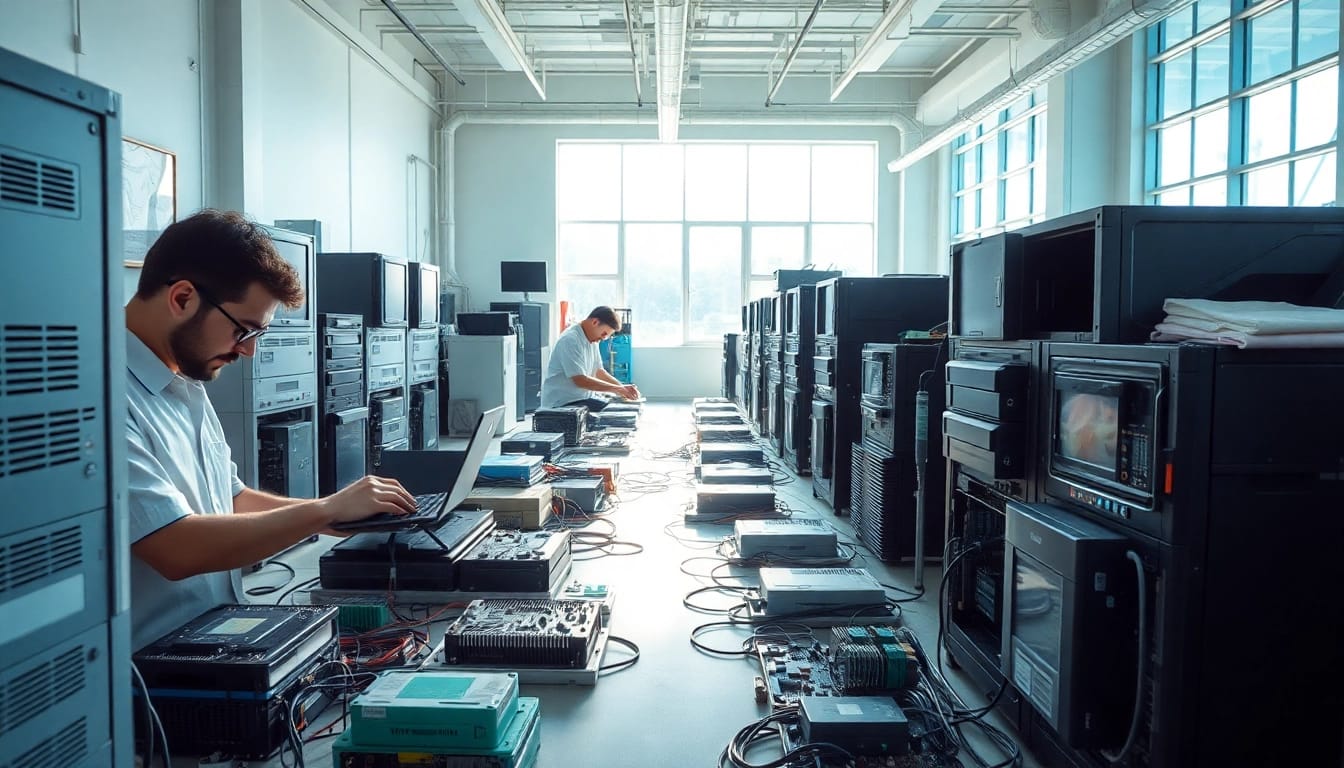
- Manual Dismantling: Skilled workers manually disassemble devices to sort materials effectively.
- Mechanical Processing: Specialized machinery is used to shred, separate, and refine materials for recycling.
- Chemical Recycling: Chemicals may be used to recover precious metals from circuit boards and other components.
Sustainable Practices in IT Recycling
Sustainability in IT recycling is achieved through several practices, including:
- Using Eco-Friendly Processes: Eco-friendly technologies reduce water and energy consumption during recycling.
- Life Cycle Analysis: Evaluating the environmental impact of products from production to disposal encourages more sustainable designs.
- Community Engagement: Educating the community on e-waste issues promotes participation and responsible behavior towards recycling.
Choosing the Right IT Recycling Provider
Essential Criteria for Selection
Selecting an appropriate IT recycling provider is crucial to ensure compliance and effectiveness. Consider the following criteria:
- Certification: Ensure the provider meets environmental standards and certifications related to e-waste recycling.
- Experience: Look for a provider with extensive experience in handling IT equipment and e-waste.
- Transparency: A reliable provider should offer clear information on their recycling methods and disposal processes.
Questions to Ask Your Provider
It’s essential to ask the right questions when evaluating IT recycling providers:
- What certifications do you hold for e-waste recycling?
- Can you provide references or case studies of your work?
- How do you ensure data security during the recycling process?
- What happens to the materials after recycling?
- Do you offer pick-up services, or is drop-off required?
Comparing Costs and Services
When comparing providers, it’s essential to assess not only the costs but also the services provided. Look for:
- Comprehensive Services: Some providers may offer additional services such as data destruction or IT asset recovery.
- Flexibility: Ensure the provider can accommodate your specific needs and volume of e-waste.
- Long-term Partnerships: Consider the long-term benefits of establishing a partnership with a reliable provider rather than relying on one-time services.
Common Challenges in IT Recycling
Understanding Regulatory Compliance
Navigating the regulatory landscape associated with e-waste can be challenging. Providers must ensure compliance with local, national, and international regulations governing e-waste recycling. This involves understanding guidelines established by governing bodies and staying updated on legislative changes.
Overcoming Resistance to Change
Organizations may resist adjusting their e-waste management practices. It's essential to address concerns through education, showcasing the benefits of recycling and how it aligns with corporate social responsibility initiatives. Presenting data on potential savings and environmental benefits can also motivate change.
Logistics of Transporting E-Waste
Transport logistics can pose a significant challenge in IT recycling. Factors to consider include:
- Cost of Transportation: Budgeting for transport costs needs to be evaluated against the potential savings from recycling.
- Scheduling: Coordinating pickups requires careful planning to minimize down-time for businesses.
- Handling Hazardous Materials: Ensuring safe transport of hazardous e-waste is crucial to prevent environmental harm.
Future of IT Recycling in Newbury
Emerging Trends in E-Waste Recycling
The future of IT recycling in Newbury is likely to see emerging trends such as:
- Increased Automation: Automation in sorting and processing e-waste can enhance efficiency and reduce errors.
- Remote Monitoring: Utilizing IoT sensors for tracking e-waste during collection and processing could improve transparency.
- Consumer Awareness Campaigns: More emphasis on educating consumers about the importance of proper e-waste disposal will increase participation in recycling initiatives.
Innovative Technologies in IT Recycling
Innovative technologies are continuously shaping the landscape of IT recycling with advancements such as:
- AI and Machine Learning: Utilizing AI for better sorting of e-waste and predicting recycling needs can lead to better resource management.
- Enhanced Data Destruction Techniques: More secure methods for data wiping and destruction will refine data security practices.
- Emerging Recyclable Materials: Research into new materials that are easier to recycle can facilitate better e-waste management.
Community Involvement and Initiatives
Community involvement is vital for effective IT recycling. Engaging local citizens through awareness initiatives, e-waste collection events, and partnerships with educational institutions fosters a culture of recycling. Such initiatives can lead to increased participation rates and create a community that values sustainability.
Frequently Asked Questions
1. What items can be recycled through IT recycling?
Most electronic devices, including computers, monitors, printers, phones, and TVs can be recycled. Always check with your recycling provider for specific guidelines.
2. Is there a cost associated with IT recycling?
Costs vary by provider and the quantity of materials. Some services may be free, while others may charge based on the type of equipment and volume.
3. How can I ensure my data is safely destroyed?
Choose a certified recycling provider that specializes in secure data destruction methods, such as data wiping or physical destruction of hard drives.
4. Are there regulations governing e-waste recycling?
Yes, e-waste recycling is regulated by local, national, and possibly international guidelines that dictate how electronics must be disposed of and recycled.
5. How often should I recycle my IT equipment?
Regularly assess your IT equipment for obsolescence. Recycling every couple of years or when equipment fails can help manage e-waste effectively.