Understanding Central Heating Leaks
Central heating systems are an essential component of modern homes, providing warmth and comfort, especially during the colder months. However, leaks within these systems can lead to significant issues, including increased energy bills, property damage, and reduced heating efficiency. Understanding the causes, signs, and implications of central heating leaks is crucial for homeowners to maintain a safe and efficient household environment. When exploring options, central heating leak detection services can assist in identifying and resolving these issues before they escalate into larger problems.
What Causes Central Heating Leaks?
Central heating leaks can arise from various factors, including:
- Wear and Tear: Over time, exposure to heat and pressure can cause pipes and fittings to deteriorate, leading to leaks.
- Corrosion: Metal components can corrode due to water quality or the presence of oxygen, weakening the pipes and creating vulnerabilities.
- High Pressure: Excessive pressure within the system can cause joints and seals to fail, resulting in leaks.
- Installation Issues: Poor installation practices, such as incorrect fitting of pipes or valves, can lead to leaks.
- Temperature Fluctuations: Rapid temperature changes can cause expansion and contraction, stressing the pipes and leading to cracks.
Common Signs of a Central Heating Leak
Identifying a central heating leak promptly is essential to prevent further damage. Common signs include:
- Water Accumulation: Puddles or damp spots near the boiler or heating pipes indicate a leak.
- Dropping Pressure: A noticeable drop in system pressure may suggest a leak or other issue.
- Unusual Noises: Gurgling sounds or hissing from pipes can signal escaping water or gas.
- Increased Heating Costs: A sudden spike in energy bills may indicate water loss or inefficiency due to leaks.
- Visible Damage: Discoloration on walls or ceilings may point to hidden leaks that need immediate attention.
The Importance of Early Detection
Early detection of central heating leaks is critical for several reasons:
- Cost Savings: Identifying a leak early can save thousands in potential repairs and energy costs.
- Property Protection: Preventing water damage can safeguard your home’s structure and minimize costly renovations.
- Health Risks: Untreated leaks can lead to mold growth, posing health risks to occupants.
- System Efficiency: Maintaining optimal pressure ensures your heating system operates effectively, reducing wear and tear.
Methods of Central Heating Leak Detection
Various methods can be employed for detecting central heating leaks, ranging from traditional approaches to advanced technologies.
Advanced Technologies for Leak Detection
Utilizing the latest technology can significantly enhance leak detection accuracy. Common advanced methods include:
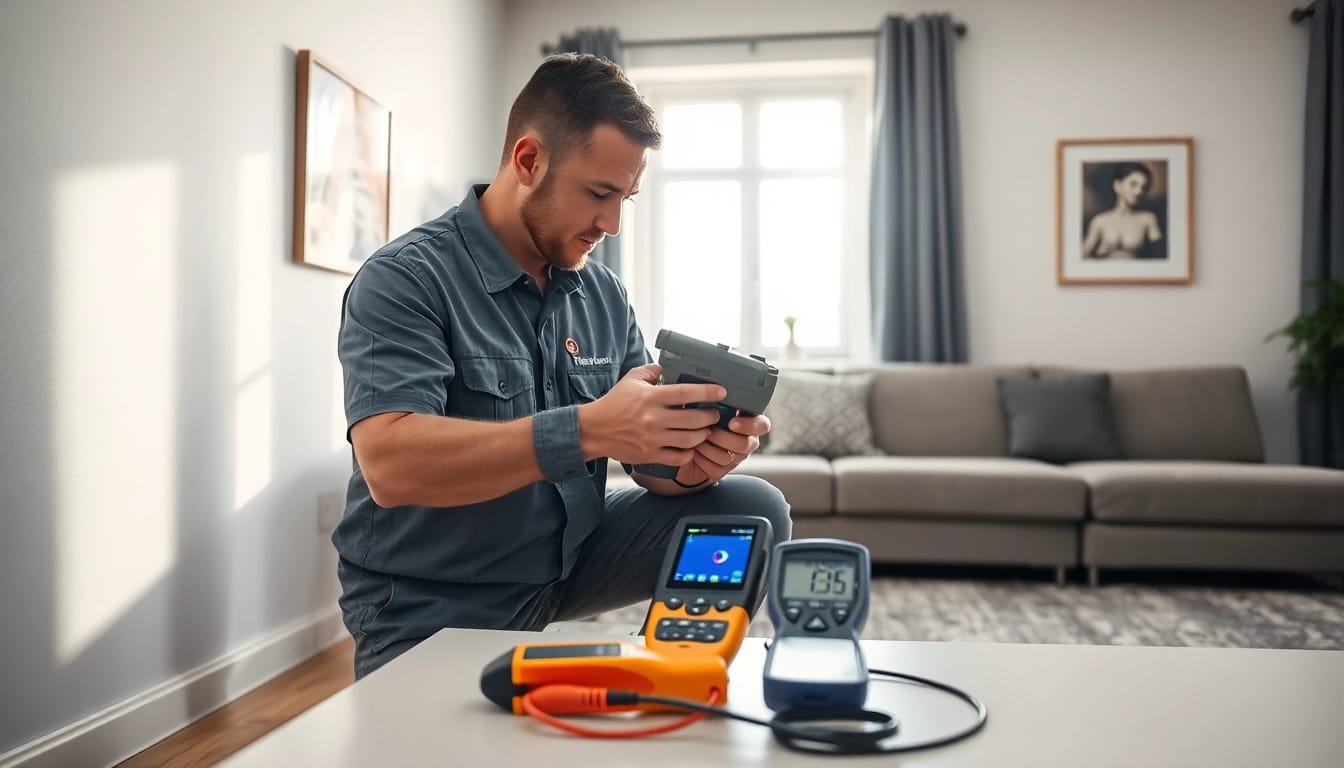
- Thermal Imaging Cameras: These cameras detect temperature variations on surfaces, indicating areas where heat loss occurs due to leaks.
- Acoustic Detection: This technique uses sensitive microphones to listen for the sounds of leaking water or gas, even through solid structures.
- Pressure Testing: By monitoring pressure changes in isolated sections of the heating system, technicians can pinpoint the locations of leaks.
- Tracer Gas Detection: A harmless gas is introduced into the system; if it escapes through a leak, it can be traced back to its source.
Comparative Analysis of Detection Techniques
When evaluating leak detection techniques, several factors should be considered:
- Cost: Traditional methods may be less expensive upfront, but advanced technologies may prevent higher long-term costs due to their accuracy.
- Effectiveness: Advanced methods like thermal imaging and tracer gas detection offer higher accuracy, especially in complex systems.
- Speed: Non-invasive methods typically provide quicker results, allowing for faster repairs and reduced disruption.
Benefits of Non-Invasive Methods
Non-invasive leak detection methods have gained popularity due to their numerous advantages:
- Minimal Disruption: Techniques like thermal imaging and acoustic detection reduce the need for extensive digging or demolition.
- Time Efficiency: Quick detection methods lead to faster resolution of issues, preventing water damage from prolonged leaks.
- Cost-Effective: While initial costs may be higher, the long-term savings on repairs and energy efficiency can be substantial.
DIY vs. Professional Central Heating Leak Detection
Homeowners often face the decision of whether to attempt leak detection on their own or to hire professionals. Both approaches come with their own sets of advantages and disadvantages.
When to Call a Professional
In many cases, it is advisable to call a professional when:
- The leak is difficult to locate or access.
- Attempts at DIY detection have proven unsuccessful.
- There are visible signs of significant damage.
- The heating system requires specialized knowledge for accurate detection.
- Health concerns arise from potential mold or structural damage.
Common DIY Approaches and Their Limitations
While some homeowners may opt for DIY methods, they often come with limitations, such as:
- Limited Tools: Most homeowners lack access to advanced detection tools, which can lead to undetected leaks.
- Time-Consuming: DIY methods can take significantly longer than professional services, increasing the risk of damage.
- Potential for Further Damage: Improper attempts to locate leaks can damage the heating system or surrounding structures.
Cost Considerations for Leak Detection Services
The cost of professional leak detection services can vary widely based on several factors, including:
- Type of heating system.
- Extent of the leak and damage.
- Geographical location and service provider.
- Technology used for detection.
Typical costs for central heating leak detection range from several hundred to over a thousand pounds depending on these factors.
Case Studies: Successful Leak Detection
Real-world examples provide valuable insights into how professional leak detection can save time and money.
Real-World Examples of Effective Detection
Case studies show that professional leak detection services have successfully identified and resolved significant issues:
- In one instance, a homeowner experienced rising energy bills. A thermal imaging scan uncovered a hidden leak in the boiler system, which, once repaired, led to a 30% reduction in heating costs.
- Another case involved a property with water damage in the living room. Professional leak detection revealed a slowly leaking radiator, which had caused extensive water damage, avoided through timely intervention.
Lessons Learned from Failed DIY Attempts
Many homeowners have faced challenges when attempting DIY leak detection:
- One homeowner used a moisture meter to check for dampness, only to overlook the signs of a larger leak that caused severe structural damage. Their attempt to fix it without professionals led to costly repairs.
- Another individual tried sealing suspected leaks with chemical sealants, which ultimately failed, leading to further leaks and damage that required professional repairs.
How Professional Services Saved Clients Thousands
In various situations, hiring professionals has saved clients from incurring hefty repair bills:
- A family faced significant water damage due to a hidden leak in their heating system. Professional detection methods uncovered the problem quickly, allowing for targeted repairs that saved them thousands in potential damage costs.
- Another homeowner realized that regular maintenance and professional detection reduced the frequency and severity of leaks, resulting in more predictable heating costs and a longer lifespan for their heating system.
Future Trends in Central Heating Leak Detection
The leak detection industry is continuously evolving, with new technologies and methodologies emerging that promise enhanced efficiency and effectiveness.
Emerging Technologies to Look Out For
Future leak detection methods may include:
- Smart Sensors: Advanced sensors that can monitor pressure and temperature in real-time, alerting homeowners to potential issues before they escalate.
- AI and Machine Learning: Utilizing artificial intelligence to analyze historical data for patterns that predict potential leaks.
- Robotic Inspection: Robotic devices equipped with cameras and sensors to inspect hard-to-reach or hidden areas within heating systems.
The Role of Smart Home Integration
With the rise of smart home technology, future leak detection is likely to integrate with home automation systems, allowing for:
- Automated alerts to homeowners upon detection of irregularities.
- Integration with home insurance policies for easier claims processing when leaks are detected.
- Real-time monitoring and diagnostics accessible through mobile apps.
Predictions for the Leak Detection Industry by 2025
By 2025, the leak detection industry may see:
- A shift towards more eco-friendly methods of detection and repair.
- Increased emphasis on preventive maintenance services to identify potential leaks before they occur.
- Greater reliance on data analytics to provide more tailored solutions for homeowners.