Understanding Underground Leak Detection
Underground leaks can have catastrophic impacts on both residential and commercial properties, leading to significant water damage and costly repairs if left unresolved. Detecting these leaks early is crucial. Utilizing advanced technologies and methodologies, underground leak detection has become a vital service for maintaining the integrity and safety of plumbing systems. In this comprehensive guide, we will explore the significance of underground leak detection, the tools and techniques employed, and the value of hiring a professional service for effective solutions.
What Is Underground Leak Detection?
Underground leak detection refers to the process of identifying water or gas leaks that are concealed beneath the ground or within walls and structures. Traditional leak detection often involved invasive methods, such as digging, which could cause further damage to properties. However, modern techniques allow professionals to pinpoint the exact locations of leaks using advanced technologies—minimizing disruption while maximizing effectiveness.
The Importance of Early Detection
Detecting leaks at the earliest opportunity can save homeowners thousands of dollars in repair costs and utility bills. Water leaks can lead to severe structural damage, promote mold growth, and compromise air quality within the home. Moreover, gas leaks pose serious safety risks and require immediate attention. Early underground leak detection not only mitigates these issues but also helps conserve water resources, promoting a more sustainable living.
Common Signs of Underground Leaks
- Unexplained Water Accumulation: Puddles or wet areas in the yard or around the foundation can indicate a leak.
- Increased Utility Bills: A sudden spike in water or gas bills often signals a leak somewhere in the system.
- Decreased Water Pressure: Experiencing lower water pressure can be a symptom of a leak in the supply line.
- Mold and Mildew: The presence of mold or mildew in areas of the home can suggest a hidden leak.
Advanced Technologies in Leak Detection
As technology evolves, so do the methods employed in leak detection. The incorporation of sophisticated tools allows for faster, more accurate identification of leaks while ensuring minimal to no disruption to the surrounding environment.
Modern Tools and Equipment
Some of the most effective tools for underground leak detection include:
- Acoustic Listening Devices: These devices amplify the sounds of leaks, allowing technicians to locate leaks hidden beneath the surface.
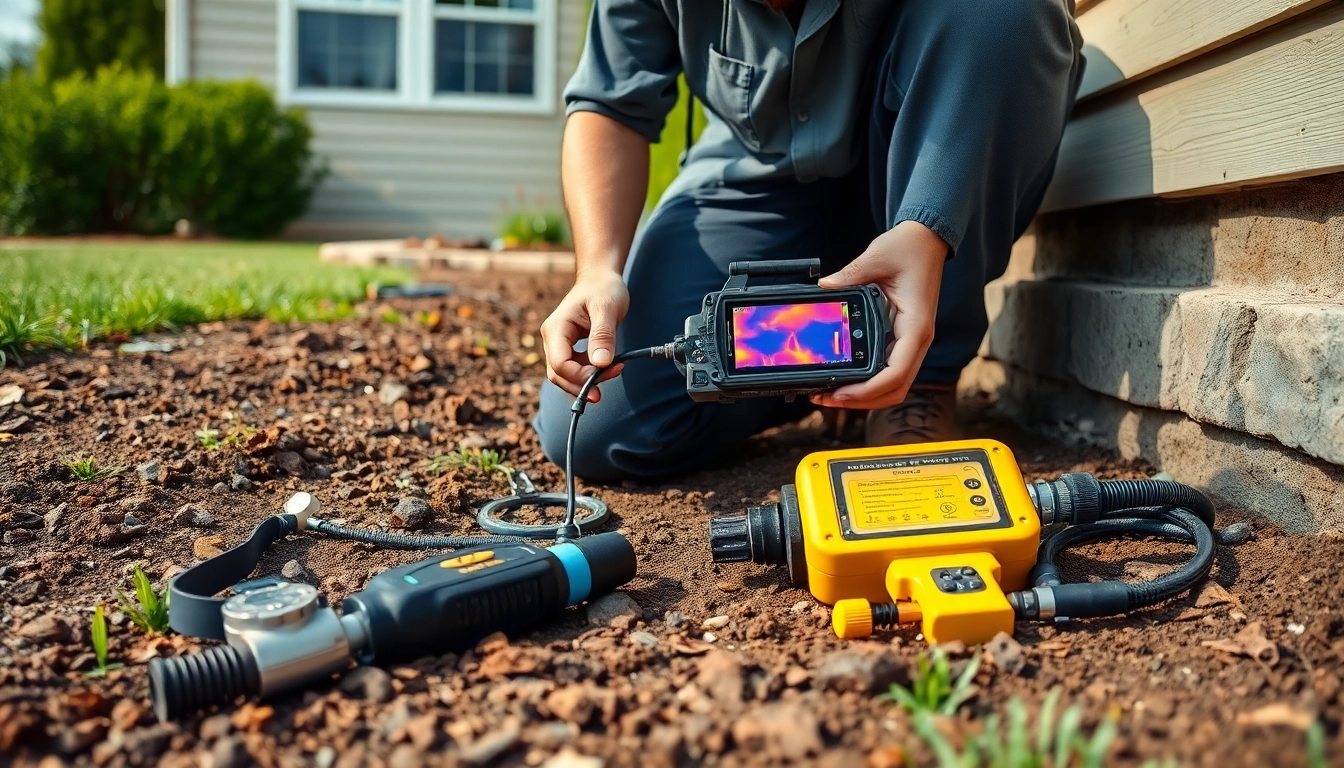
- Thermal Imaging Cameras: By detecting temperature variations, these cameras can reveal the presence of water in areas where it shouldn’t be.
- Moisture Meters: Used to determine moisture levels in building materials, helping to identify potential leaks from within walls or floors.
How Pressure Testing Works
Pressure testing involves isolating sections of piping and monitoring the pressure within those sections to detect drops that indicate leaks. When a leak is present, the pressure will decrease, alerting technicians to the location needing further investigation.
Utilizing Thermal Imaging for Precision
Thermal imaging cameras create a visual representation of temperature differences, which can indicate moisture from leaks. This technique allows for a non-invasive investigation, facilitating inspections without the need for invasive digging or dismantling.
Non-Invasive Methods for Leak Detection
Minimizing disruption is a critical priority for homeowners, making non-invasive leak detection methods invaluable. These techniques help locate leaks accurately without damaging property.
The Benefits of Non-Destructive Techniques
- Preserving Structural Integrity: Keeping walls and floors intact saves money and time associated with repairs.
- Faster Assessments: Non-invasive methods expedite the process of locating leaks, reducing overall service time.
- Less Stress for Homeowners: Minimizing disruption allows residents to maintain daily routines without the hassle of construction work.
Moisture Mapping and Its Applications
Moisture mapping involves scanning and analyzing areas for potential leaks and moisture intrusion. This technique highlights affected regions, allowing for targeted repairs and mitigations. It’s particularly useful in large properties where pinpointing leak locations can be challenging.
Acoustic Listening Devices Explained
Acoustic listening devices utilize advanced technology to detect the sound of water leaking from pipes. Technicians can walk through the property, using these devices to listen for subtle sounds made by escaping water, ensuring that even the most concealed leaks can be found.
Choosing the Right Leak Detection Service
When faced with potential leaks, choosing the right leak detection service is essential. Not all providers offer the same level of expertise, technology, or customer service.
What to Look For in a Company
Consider the following factors when selecting a leak detection service:
- Certifications and Experience: Ensure the company has qualified technicians with experience specifically in leak detection.
- Technology Utilized: Ask about the tools and methods they employ and whether they use modern, non-invasive technologies.
- Customer Feedback: Look for reviews and testimonials from past clients to gauge their satisfaction with the service.
Comparing Costs and Guarantees
Leak detection services vary widely in cost, often based on the complexity of the leak and the technology utilized. Request quotes from multiple providers and consider the guarantees offered. A company that provides a no find, no fee guarantee may be more reliable, ensuring you only pay for successful service.
Reading Customer Reviews and Testimonials
Customer reviews can offer invaluable insight into the effectiveness and reliability of a leak detection service. Look for feedback regarding the quality of service, accuracy of detection methods, and customer service experiences.
Future Trends in Leak Detection
The field of leak detection continues to evolve, with emerging technologies and methodologies set to enhance effectiveness and efficiency.
Emerging Technologies for 2025 and Beyond
- AI and Machine Learning: These technologies can analyze vast amounts of data to predict potential leak scenarios, enabling proactive maintenance.
- Integrated Smart Home Systems: Smart home technologies are increasingly incorporating leak detection sensors, alerting homeowners to potential issues in real-time.
- Advanced Imaging Technologies: Future imaging techniques may provide even greater accuracy in detecting leaks and their sources.
Environmental Considerations in Leak Detection
As awareness of environmental issues grows, leak detection services are implementing sustainable practices. Utilizing eco-friendly methods and technologies is key to preventing further environmental degradation while managing leaks effectively.
The Role of AI in Leak Detection Services
Artificial Intelligence is revolutionizing the leak detection industry. By enabling predictive analytics, AI can help services anticipate leaks before they happen, leading to smarter plumbing maintenance and conservation of water resources.