
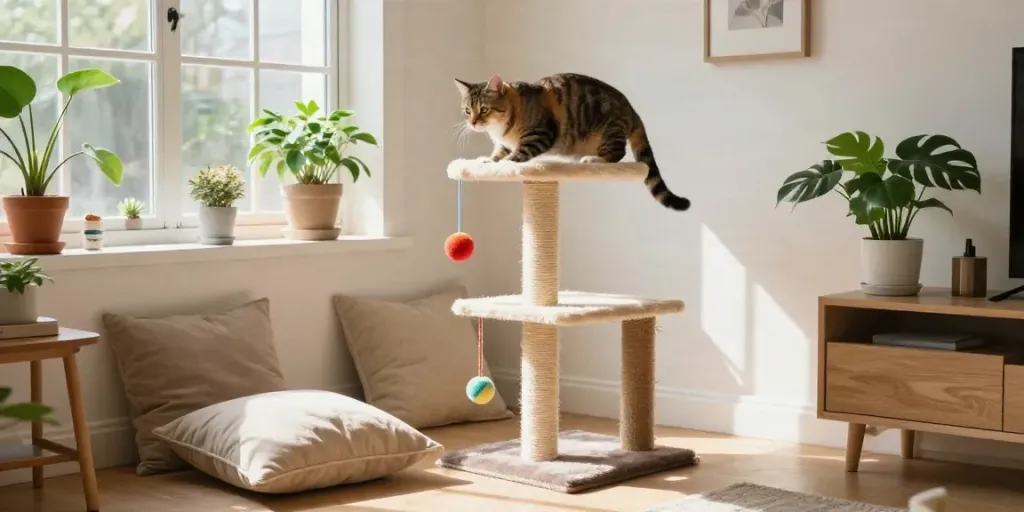
Understanding the Importance of Cat Towers
Cat towers, also known as cat trees or cat condos, serve as essential furniture for feline companions. These structures are designed to provide a stimulating environment for cats, catering to their instincts to climb, scratch, and play. With the growing awareness of pet wellness, investing in a quality cat tower has become a priority for responsible pet owners. This article will explore the myriad benefits of cat towers, debunk common misconceptions, and guide you in choosing the right option for your furry friend.
What is a cat tower and its purpose?
A cat tower is a multi-level structure specifically designed for cats. Typically made from various materials like wood, fabric, and sisal rope, these towers mimic natural environments by incorporating platforms, scratching posts, and cozy resting spots. Their primary purpose is to provide a safe space for cats to exercise, play, and retreat, thereby enhancing their overall well-being.
Benefits of having a cat tower for your cat's health
- Physical Exercise: Cat towers promote physical activity by encouraging climbing and jumping, which are crucial for maintaining a healthy weight.
- Mental Stimulation: These structures provide an engaging environment that stimulates your cat's intellect and curiosity, reducing boredom.
- Stress Relief: Cat towers offer a safe haven for cats, allowing them to retreat from stressful situations, such as loud noises or unfamiliar guests.
- Scratching Opportunities: Equipped with scratching posts, cat towers encourage natural scratching behaviors, helping to protect your furniture.
- Vertical Territory: Cats are natural climbers and feel more secure when they have vertical space to explore and survey their surroundings.
Common misconceptions about cat towers
Despite their many benefits, there are misconceptions surrounding cat towers. Some pet owners believe that cat towers are merely luxury items, when in fact, they play a critical role in a cat's physical and emotional health. Others think that cat towers take up too much space; however, many options are available that are designed to fit compact living environments.
Choosing the Right Cat Tower for Your Needs
When it comes to selecting a cat tower, several factors should be considered to ensure it fits both your living space and your cat's needs. Understanding these elements can help you make an informed decision.
Size and space considerations for different living environments
The size of your cat tower should reflect the dimensions of your home and the preferences of your feline friend. For apartments or small spaces, a compact cat tower may be ideal, while larger homes may benefit from multi-level towers that provide more room for play and exploration. Always measure your available space before purchasing to ensure a good fit.
Materials used in cat towers: What to look for?
Cat towers are constructed from various materials. Look for towers made from sturdy wood or quality MDF that can withstand rough play. The fabric should be durable and easy to clean. Sisal scratching posts are a must, as they promote healthy scratching habits. Always prioritize quality over cost to ensure safety and longevity.
Budgeting for a cat tower: Affordable options vs. premium models
Cat towers come in various price ranges, from budget-friendly options to high-end models. While affordable towers may save you money, they might lack durability or safety features. Conversely, premium towers offer long-lasting materials and thoughtful design elements that cater to your cat's needs. Consider your budget and invest in the best option you can afford to ensure your cat's happiness.
Features to Look for in a Cat Tower
Choosing a cat tower with specific features can enhance your cat's playtime and comfort. Here are some key aspects to consider:
Multi-level designs for active cats
Active cats thrive in multi-level towers that provide ample opportunities for climbing and jumping. Look for towers with various platforms and hideaways that allow your cat to explore and play. These designs mimic the natural environments of cats and promote their mental and physical activity.
Incorporating scratching posts and toys
Ensure your cat tower includes multiple scratching posts and toys to keep your cat engaged. Scratching posts should be made from durable materials like sisal or carpet, while toys should be easily replaceable to maintain your cat's interest. Some towers even come with interactive features that encourage play.
Easy maintenance and cleaning features
Look for cat towers with removable and washable covers, as this makes cleaning much easier. Consider the overall structure for ease of dusting and maintenance. Towers with smooth surfaces are generally simpler to clean than those with intricate designs.
Training Your Cat to Use the Tower Effectively
Once you have chosen the perfect cat tower, training your cat to use it can enhance its benefits. Here’s how to encourage your cat to explore and enjoy its new space.
Encouraging your cat to explore the tower
Introduce your cat to the tower gradually. Place treats or favorite toys on various levels to entice them to climb. Many cats are naturally curious but may require motivation to explore higher areas.
Integrating positive reinforcement methods
When your cat uses its tower, reward it with praise or treats. This positive reinforcement encourages your cat to associate the tower with positive experiences, making it more likely to return to it often.
Common behavioral issues and solutions
Some cats may resist using a new tower due to anxiety or territoriality. If your cat is hesitant, try placing the tower in a familiar area and allow it to approach at its own pace. Gradually make the tower a designated play area by incorporating scratching toys and resting spots.
The Future of Cat Towers: Trends to Watch in 2026
As we move into 2026, innovative designs and features in cat furniture are likely to evolve. Staying informed about these trends can help you choose the best options for your pets.
Innovative designs and technology in cat furniture
In recent years, technology has started to play a significant role in pet furniture design. Features such as integrated sensors to monitor your cat's activity levels and smart toys that respond to your cat's movements are emerging in the market.
Eco-friendly materials and sustainability
As sustainability becomes a growing concern, more manufacturers are prioritizing eco-friendly materials in their products. Look for cat towers made from recycled or sustainably sourced materials, which are safer for the environment and your cat.
How trends in pet ownership are shaping cat tower features
With a rising trend in cat ownership, especially among younger generations, the demand for stylish and functional cat towers has increased. These new cat towers often blend seamlessly into home decor while providing essential features for cats’ health and happiness.
What are the key benefits of a cat tower?
In summary, cat towers provide numerous benefits, including exercise, mental stimulation, stress relief, natural scratching opportunities, and vertical space for exploration. Investing in a quality tower can greatly enhance your cat's quality of life.
How to train an older cat to use a new cat tower?
Training older cats may require more patience. Provide reassurance and introduce the tower gradually. Use treats to entice them and create positive associations, making the transition smoother.
What materials are best for outdoor vs. indoor cat towers?
For outdoor cat towers, consider weather-resistant materials like treated wood or UV-resistant fabrics. Indoor towers can be made from softer materials, focusing on aesthetics and comfort.
How do I choose a cat tower for multiple cats?
When selecting a cat tower for multiple cats, prioritize larger structures with multiple platforms and scratching posts. Ensure that it provides enough space for each cat to have its territory without feeling overcrowded.
What are the best practices for maintaining a cat tower?
Regularly inspect your cat tower for wear and tear. Clean surfaces frequently to remove hair and debris, and replace any damaged parts promptly to keep it safe and hygienic for your pet.